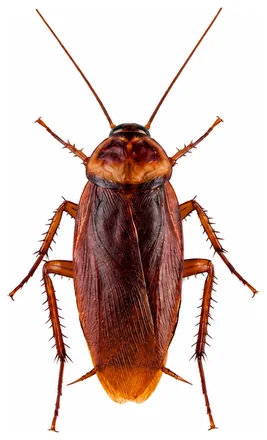
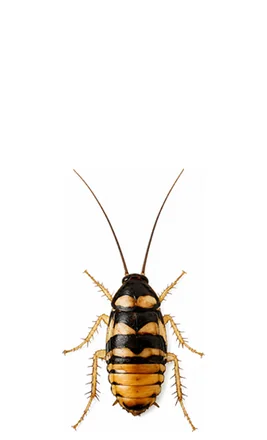
N40NUISIBLE 40
← Back to site

Identification guide

Cockroaches: target the hiding places,
not the ones you see

What to do first

Spotted one in daylight? Dozens are hidden. And the insecticide fogger scatters them: bait is what solves the problem.

01

Recognise the species

Four species turn up in our homes. Telling them apart guides the treatment — and the smallest is the most formidable.

La blatte germanique (Blattella germanica)
The German cockroachBlattella germanica
La blatte orientale (Blatta orientalis)
The oriental cockroachBlatta orientalis
La blatte américaine (Periplaneta americana)
The American cockroachPeriplaneta americana
La blatte rayée (Supella longipalpa)
The brown-banded cockroachSupella longipalpa
90% of cases

The German cockroach

  • Small (1 to 1.5 cm), light brown, with two dark stripes on the “shield” behind the head.
  • Kitchen and bathroom, behind the fridge, under the sink; it runs fast and doesn't fly.
  • It breeds very fast: a few individuals become thousands in a few months.
  • Seen in the kitchen = an indoor infestation: it never clears up on its own.
The Oriental cockroach

The oriental cockroach

  • Bigger (2 to 3 cm), dark brown to black and glossy.
  • Cellars, basements, drains: it comes up through the waste pipes. Slower, likes cool and damp.
  • Its presence often signals it's coming up through the drainage system.
The biggest

The American cockroach

  • Impressive: 3 to 5 cm, reddish-brown, with a paler ring on the shield.
  • Sewers, crawl spaces, plant rooms, boiler rooms: it likes heat and damp.
  • Unlike the German roach, it can fly or glide over short distances.
  • Fairly rare in homes: mostly found in large buildings and networks.
The brown-banded cockroach

The brown-banded cockroach

  • Supella longipalpa: small (1 to 1.4 cm), light brown, with two pale bands across the abdomen.
  • It prefers warm, dry spots, often high up: bedrooms, cupboards, furniture, behind picture frames.
  • The male can fly short distances; it also nibbles paper, glue and starch.
  • Not confined to the kitchen: that's what sets it apart from the German roach.
02

Signs of an infestation

Nocturnal and discreet, cockroaches are spotted mostly by their traces — often before you see one.

Signs to look for

Under appliances
  • Droppings like ground coffee or pepper: black specks in cupboards and under appliances.
  • Egg cases (brown capsules 5 to 10 mm), shed skins, and a musty smell as the population grows.
  • A cockroach seen by day — or a single baby cockroach — signals an already settled infestation.

The risk

Health risks
  • They don't bite, but contaminate food and surfaces (a poisoning risk).
  • Their droppings and shed skins are recognised allergens → allergies and asthma, especially in children.
  • The risk is indirect but real: food hygiene and respiratory health.
03

React the right way

Killing the cockroaches you see isn't enough: the eggs stay protected and the hideouts intact. To clear an infestation for good, you have to treat the colony at its source.

Bait gel, not a fogger

Secondary transfer
  • A bait gel reaches the hideouts and passes through the colony: contaminated roaches die in the nest.
  • No fogger or bomb: it spares the eggs protected in the case and scatters the colony to other rooms.
  • The German roach resists common insecticides and breeds fast: a fogger gives a false result.

Remove food and water sources

Hygiene + access
  • Remove crumbs, grease and leftovers; fix leaks — cockroaches need water.
  • Clean under and behind appliances; seal cracks and pipe openings.
  • A settled German infestation, a relapse or a flat in a building → a certified professional, coordinated treatment.
Seeing one during the day should never be ignored. Cockroaches are nocturnal: if they come out in the open, the hideouts are full. The longer you wait, the more the population explodes — and the longer the treatment.

Common myths

“My home is clean, so no cockroaches.”Partly false. Cleanliness helps, but the German cockroach also arrives via a box, a bag, a second-hand appliance or a neighbouring flat — regardless of housekeeping.
“An insecticide bomb will fix everything.”False and counterproductive. It kills the visible roaches, spares the eggs protected in the case and scatters the colony to other rooms. The German roach also resists it.
“I only see one, it's nothing.”False. Nocturnal, cockroaches hide: seeing one by day, or a single baby roach, betrays an already large population.
Fast, targeted treatment.

The German cockroach breeds exponentially — a few individuals become thousands in a few months — and its eggs, protected in the case, survive surface treatments. Hence two rules: act at the first sign, and target the hideouts, not the visible roaches. The method that lasts: domino-effect bait gel, removing water and food, sealing the entry points — and never a fogger that scatters them. For a settled infestation, a relapse or a flat in a building, a Certibiocide-certified professional treats all the units and follows up.

?

Frequently asked questions

What's the difference between a cockroach and a roach?
None. In French, “blatte” is the scientific term while “cafard” is the everyday word. Both refer to the same insects of the order Blattodea. In France, the species that infest homes — German, oriental or American — are commonly called “cafards”.
How do I recognise a German cockroach?
The German cockroach is the most common in homes. It's about 1 to 1.5 cm, light brown, with two parallel black bands on the pronotum (the shield behind the head). It hides mainly in kitchens, bathrooms and near heat-producing appliances.
Why do I have cockroaches at home?
Cockroaches look for three things: warmth, water and food. They can arrive in a delivery box, a second-hand piece of furniture, the drains, a building's common areas or from a neighbouring flat. So their presence isn't necessarily linked to poor hygiene.
Can you get cockroaches in a clean house?
Yes. A clean house limits their development but doesn't prevent their arrival. German cockroaches can be brought in via packaging, shopping bags or household appliances, or migrate from a neighbouring flat. Once settled, they often find enough water and food to survive.
Does a single cockroach mean an infestation?
Not always, but it's a warning sign. A roach seen in broad daylight, or a young roach (nymph), strongly increases the likelihood that a colony is already present. The earlier an infestation is dealt with, the easier it is to clear.
How do I get rid of cockroaches for good?
The most effective treatment combines several actions: using a bait gel, removing water and food sources, cleaning the hideouts and sealing the entry points. For a large or recurring infestation, a professional is often needed. Health authorities also approve bait stations specifically against the German cockroach for domestic use.
Why don't insecticide bombs always work?
Insecticide bombs mainly kill the individuals exposed at the time of treatment. They struggle to reach the hideouts where most of the colony lives, and the eggs protected inside the egg cases. Some German cockroach populations also show resistance to certain insecticides.
Is bait gel really effective?
Yes, when used correctly. Cockroaches consume the gel in their hideouts. Approved products are widely used in pest control because they target the colony rather than just the visible individuals. Bait stations intended for private individuals are also authorised by ANSES against the German cockroach.
Are cockroaches dangerous?
Cockroaches don't bite and don't seek out people. However, they can contaminate food and surfaces by carrying micro-organisms. Their droppings, shed skins and certain body fragments are also recognised allergens that can trigger allergic reactions and asthma, especially in sensitive people.
How long does it take to clear an infestation?
It depends on the species, the size of the infestation and how quickly you act. A recent infestation can be brought under control within a few weeks, whereas an old one, or one spread across several homes, may require several treatments and monitoring over several months.
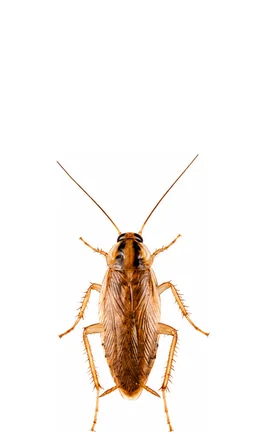
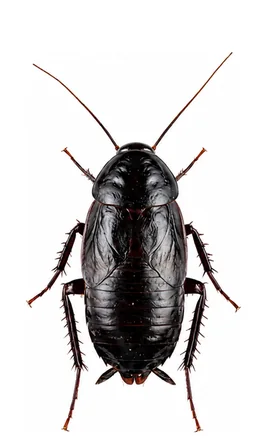
Cockroaches in the kitchen?

N40 identifies the species, treats the hideouts and stops the infestation across the Landes (40) — discreetly, 7 days a week, on-site quote.