N40NUISIBLE 40
← Back to site

Identification guide

Mosquitoes: target standing water,
not the mosquitoes

The reflex

Black and white stripes, biting during the day = tiger mosquito. Against it, one key move: remove standing water — even a bottle cap is enough.

01

Tiger or common?

Two mosquitoes, two behaviours. Knowing which one bites you guides the response — and, for the tiger, the reporting.

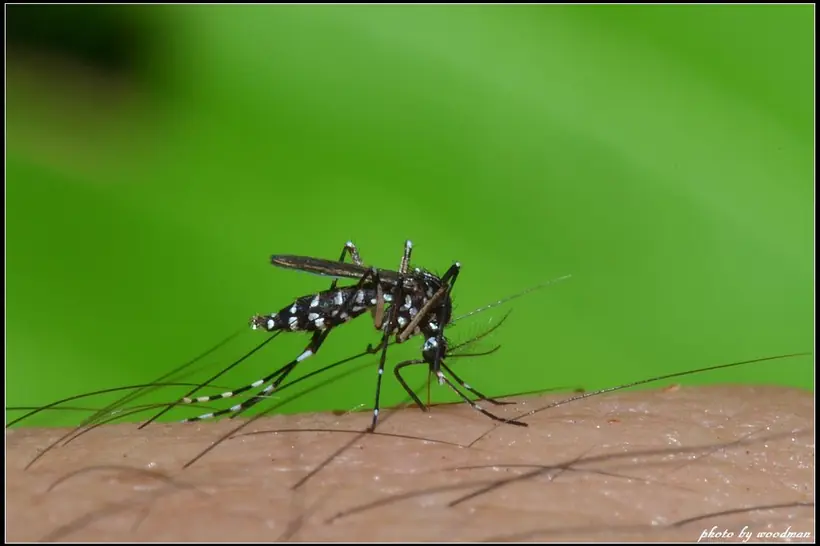
Moustique tigre (Aedes albopictus) : corps noir à rayures blanches, pattes annelées

The tiger mosquito

  • Small (~5 mm), black with white marks, a thin white line down the centre of the back and ringed legs.
  • It bites in broad daylight (morning and late afternoon), with a quiet flight.
  • Present in most French départements, including the Landes. Report it at signalement-moustique.anses.fr.
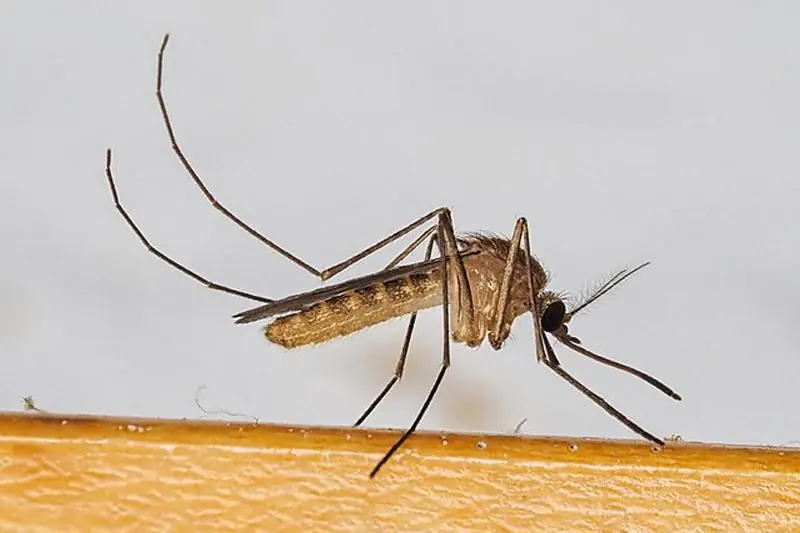
Moustique commun (Culex) brun-gris posé sur une surface

The common mosquito

  • More uniform, brown-grey; this is the one that buzzes in your ears at night (Culex genus).
  • Active mainly at dusk and night.
  • Only the female bites: she needs blood to produce her eggs.
02

The health risk

A mosquito is more than a nuisance: depending on the species, it can transmit diseases. In mainland France cases stay rare but are closely watched.

Tiger mosquito

Dengue • Chikungunya • Zika

  • The tiger mosquito can transmit these viruses if it first bit an infected person.
  • In mainland France most cases are imported (travellers), with a few local clusters each summer.
  • Hence the value of reporting: it helps authorities track its spread.
Common mosquito

West Nile virus

  • Transmitted by the common mosquito (Culex), from birds.
  • 62 autochthonous human cases recorded in France in 2025 — vigilance isn't only about the tiger.
  • If you get an unusual fever after bites, see a doctor.
03

Remove the breeding sites

Removing the breeding sites remains the most effective way to reduce mosquitoes for good. A mosquito is born in very little water.

Remove standing water

Weekly
  • Empty or remove any water: saucers, buckets, toys, tarps, tyres, vases.
  • Clean the gutters, cover water butts with a net or cloth.
  • Even a bottle cap of water is enough for eggs — is enough for a clutch. Hence the weekly habit.

Protect yourself

When mosquitoes are most active
  • Window screens, covering clothes, repellent on exposed areas.
  • The tiger bites mostly in the morning and late afternoon: take extra care at those times.
  • Everyone has a role to play: one neglected garden and they're back.
Unsure about the tiger mosquito? Report it with a photo at signalement-moustique.anses.fr: it helps track where it settles. And remember to re-check your water points after every rain.

Common myths

“The tiger mosquito bites at night.”False. It's diurnal: it bites mostly by day, in the morning and late afternoon. The night-time buzzing is the common mosquito.
“You need a pond for them to breed.”False. A mere bottom of a container is enough — the equivalent of a bottle cap of water. That's exactly what makes the anti-water habit so decisive.
“UV bug zappers solve the problem.”False for the tiger: their effect near homes is very limited. Nothing replaces removing the breeding sites.
Consistency is key — weekly checks make the difference.

Against the tiger mosquito, effectiveness comes from regularity — a weekly check of water points, stepped up after rain — and from the collective: one neglected neighbouring garden and they're back. For a settled nuisance, an outdoor space that's hard to clear or a sensitive site, a professional runs a diagnosis, identifies the breeding sites and sets up a suitable treatment. A one-off treatment is never enough: it's removing the breeding sites that counts.

?

Frequently asked questions

How do I recognise a tiger mosquito?
The tiger mosquito is small (about 5 mm), black with white stripes on its legs and a thin white line down the centre of its back. It bites mainly during the day, unlike the common mosquito, which is active mostly at night.
What's the difference from the common mosquito?
The common mosquito is brown-grey and often buzzes near your ears at night. The tiger mosquito is smaller, black and white, quiet in flight and active mainly during the day.
Why do some people attract mosquitoes more?
Mosquitoes find their targets through the carbon dioxide (CO₂) we breathe out, body heat and the skin's natural odours. Some people attract more mosquitoes because of their physiology (pregnancy, fever…), genetic factors or simply because they wear dark clothes.
Why do only females bite?
Only females bite, because they need a blood meal to develop their eggs. The males feed only on flower nectar.
Does the tiger mosquito bite at night?
No. It's active mainly during the day, with peaks in the morning and late afternoon. The mosquito you most often hear buzzing at night is usually the common mosquito.
Do mosquitoes transmit diseases?
Depending on the species, yes. The tiger mosquito can transmit dengue, chikungunya or Zika after biting an infected person. In mainland France these diseases remain rare and are under health surveillance.
How far does the tiger mosquito fly?
The tiger mosquito rarely goes beyond 150 metres from where it was born. That's why a neighbouring garden with standing water can be enough to keep a nuisance going.
Do mosquitoes live inside houses?
The tiger mosquito lives mainly outdoors. It may come inside to bite or rest, but it doesn't usually settle there for long.
Are UV lamps effective?
Ordinary UV lamps are not very effective against the tiger mosquito. Some traps using CO₂ and attractants can help reduce populations, but they never replace removing standing water.
Are bats enough to get rid of mosquitoes?
No. Bats do eat mosquitoes, but also many other insects. On their own, they can't control a tiger mosquito population.
Why do I still have mosquitoes when I have no water at home?
The tiger mosquito flies little, but it can easily come from a neighbouring garden, yard or plot with standing water. So the fight is collective: a few breeding sites nearby can be enough to sustain the population.
Why do mosquito bites itch?
When it bites, the mosquito injects a small amount of saliva containing substances that stop the blood from clotting. It's your immune system's reaction to this saliva that causes the itching and the bump.
Why are there more mosquitoes after rain?
Rain fills many small containers (saucers, gutters, tarps, tyres, toys…) where mosquitoes can lay their eggs. A few days later a new generation emerges, which explains the rapid rise in mosquito numbers after a rainy spell.
What should I do if I think I have a tiger mosquito?
First check that it really is a tiger mosquito (small, black and white, active during the day). Remove all standing water around your home and, if you're in an affected area, you can report it on the official tiger mosquito reporting platform.
Mosquitoes spoiling your summer?

N40 identifies the breeding sites, treats and advises across the Landes (40) — 7 days a week, on-site quote.